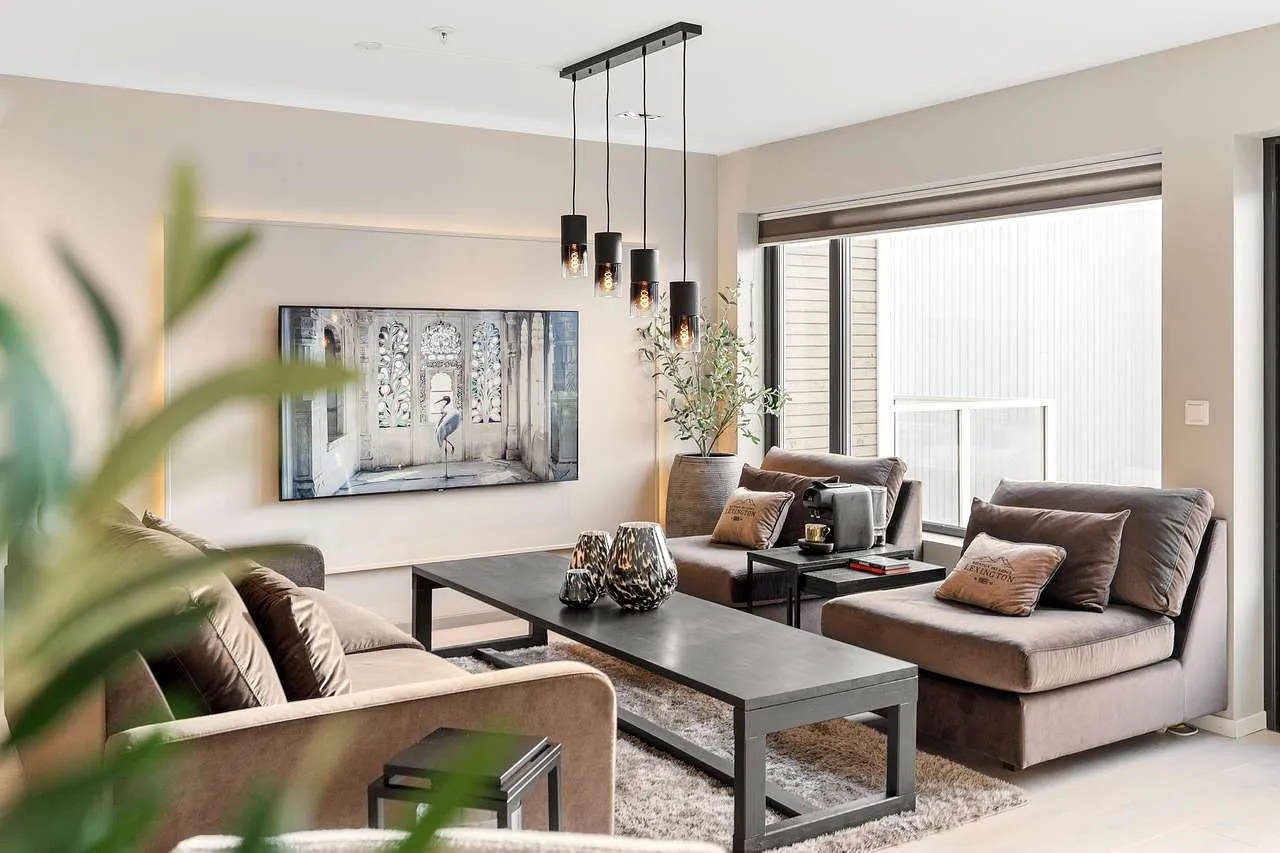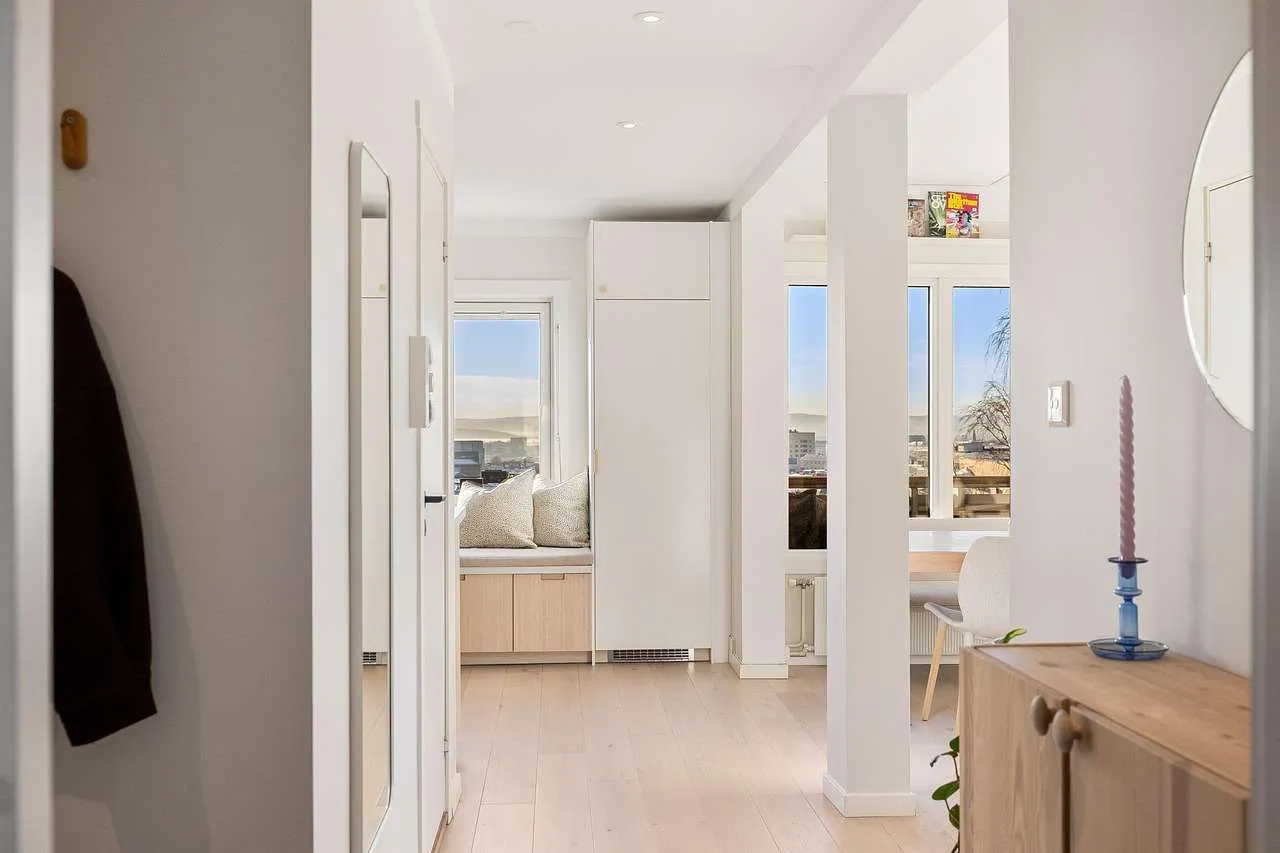
Home window tinting is a practical improvement that blends comfort, protection, and energy efficiency for residential spaces. Whether you are upgrading a single room or redesigning an entire home, the right tint can reduce heat, protect furnishings, and improve privacy without sacrificing natural light. This guide explains how home window tinting works, what film options exist, how to choose an installer, and what to expect in terms of costs and maintenance. It also highlights EEAT considerations to help you select trustworthy, long-lasting solutions.
What home window tinting does
Tints are thin films applied to interior or exterior glass. They filter sunlight, absorb infrared heat, and reject ultraviolet rays. Modern films come in a range of shades and heat-rejection levels to match goals and local rules. By choosing the right film, you can influence comfort, energy use, and glare control across different rooms and seasons.
Benefits of home window tinting
Energy efficiency and comfort: by reducing heat gain in summer and helping retain warmth in winter, tinting lowers HVAC demand and stabilizes indoor temperatures. This leads to a more comfortable living space and potentially lower energy bills.
In hot climates, you may see a 10-15% reduction in cooling costs after tint installation, depending on film type and window orientation. In milder areas, savings accrue over time when tinting is paired with efficient cooling systems and smart shading strategies.
UV protection and interior preservation
Most high-quality films block 99% or more of ultraviolet light. This slows fading of fabrics, furniture, and artwork, extending the life of interior surfaces and reducing replacement costs while preserving color and vibrancy.
Privacy and safety
Tinted windows provide daytime privacy and can deter curious looks into your home. Some films also help hold shattered glass together after impact, increasing safety for families and pets and reducing the risk of injury from broken glass.
Aesthetics and resale value
Today's films come in a spectrum of tones from near-clear to deep bronze. When selected to complement your home style and neighborhood guidelines, tinting can enhance curb appeal and resale value, especially when the film minimizes glare and maintains daylighting levels.
Choosing the right window film
Choosing the right film depends on climate, lighting goals, and aesthetics. Consider these common options and their trade-offs.
Dyed vinyl
Cost-effective with solid color for privacy. It provides basic heat reduction but may fade over time and generally offers less heat rejection than premium options.
Ceramic
Excellent heat rejection with minimal reflectivity and strong durability. It preserves natural light better and resists staining and discoloration over time.
Metalized
Strong heat rejection and durability, but may interfere with electronics in some installations and can create a slight ghosting glare under certain lighting conditions.
Carbon
Balanced heat rejection with a natural appearance. It resists glare and maintains clear visibility from inside, making it popular for living spaces and kitchens.
Low-E and clear films
Low-E and nearly clear options offer energy benefits with maximum visibility, ideal for large glazing areas where you want light to pass through while still reducing heat transfer.
How to choose an installer
Work with licensed, insured professionals who are transparent about warranties and installation timelines. Look for installers with certifications from recognized organizations such as the International Window Film Association (IWFA). Request to see a portfolio of completed projects, read customer reviews, and ask about warranty coverage, product certifications, and post-install care instructions. A reputable installer will measure precisely, prepare the glass surface properly, and provide a written quote and expected timelines. Avoid low-cost, high-pressure sales that promise miracles without addressing warranty terms and local regulations.
Regulations and safety
Local laws govern window tint darkness, reflectivity, and windshield tinting in some regions. It is essential to verify current rules before purchase and installation. A qualified installer will guide you through regulatory requirements and help ensure your chosen film meets both performance goals and legal limits. Compliance reduces the risk of fines, failures, and the need for mid-project changes.
Maintenance and care
Proper maintenance extends film life. Clean surfaces with a soft microfiber cloth and a mild soap solution or a cleaner recommended by the manufacturer. Avoid ammonia-based cleaners on certain films, which can degrade adhesives or resins over time. Periodically inspect for peeling, bubbling, or edge curl, and contact your installer if any issues emerge. Routine care helps preserve clarity, glare reduction, and heat rejection over the life of the tint.
Costs and ROI
Costs typically range from 5 to 12 per square foot, depending on the film type, brand, and window size or access complexity. Premium films such as ceramic or carbon generally cost more upfront but deliver higher heat rejection and longer durability. When you factor energy savings, interior protection, and extended furniture life, many homeowners see a favorable return on investment within 3 to 7 years, depending on climate and usage patterns. Grants, rebates, or tax incentives may be available in some regions for energy-efficient home improvements, further improving payback.
Comparison of film types
| Film Type | Heat Rejection | UV Rejection | Glare | Visible Light Transmission | Durability | Estimated Cost |
|---|---|---|---|---|---|---|
| Dyed vinyl | Moderate | High | Moderate | Low to mid | Moderate | 5-8 |
| Ceramic | High | Very High | Low | Medium to high | High | 8-12 |
| Metalized | Very High | Very High | Moderate | Low | High | 6-9 |
| Carbon | High | Very High | Low | Medium | High | 7-12 |
| Low-E/clear films | Moderate | Very High | Low | High | High | 6-10 |
Conclusion
Conclusion, Home window tinting is a practical upgrade that reduces heat, protects interiors, enhances privacy, and can boost home value when selected and installed correctly. By understanding film types, evaluating installers, adhering to local laws, and maintaining the film, homeowners can maximize comfort and savings.